Tian Lab · Harvard Medical School · BIDMC
Build the Future of
Biomedical AI Together
We bring Harvard-anchored computational biology, multi-omics data science, and biomedical foundation models to industries, investors, and philanthropists ready to make a difference.
Start a ConversationWhy Partner With the Tian Lab?
We sit at the intersection of computational biology, multi-omics data science, and clinical medicine — a rare combination anchored in the ecosystem of Harvard Medical School and Beth Israel Deaconess Medical Center. Our platforms are disease-agnostic: the same single-cell AI and epigenomic tools that decode neurodegeneration apply equally to oncology, rare disease, aging, and beyond. If your pipeline involves complex biology and large-scale data, we have something to offer.
Our Technology Platforms
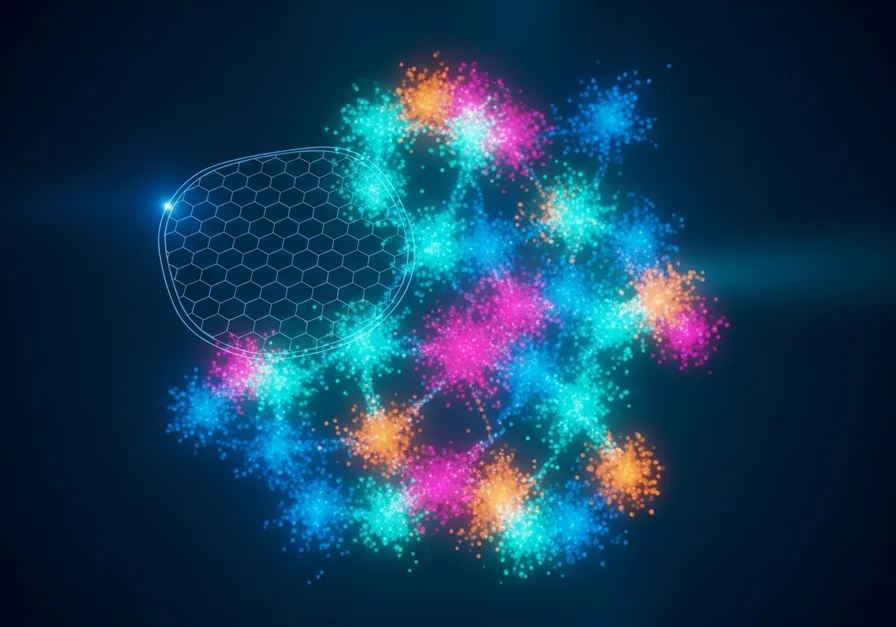
Single-Cell & Spatial Multi-Omics
High-resolution transcriptomic, epigenomic, and proteomic profiling at the single-cell and spatial level — applicable to any disease where cell-type heterogeneity drives biology.
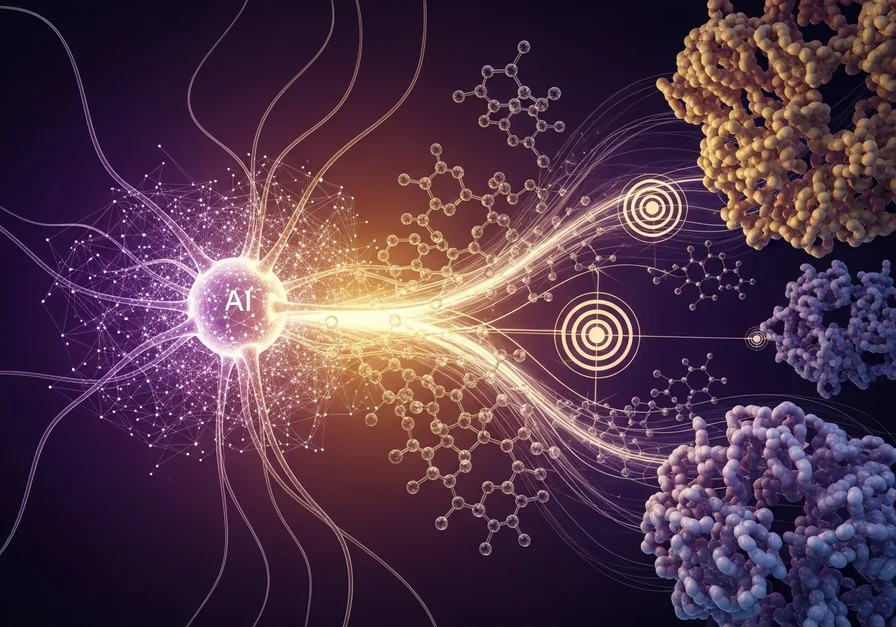
AI-Driven Target Discovery
Machine learning and probabilistic models that mine large-scale omics datasets to identify novel drug targets, predict disease trajectories, and stratify patient populations.
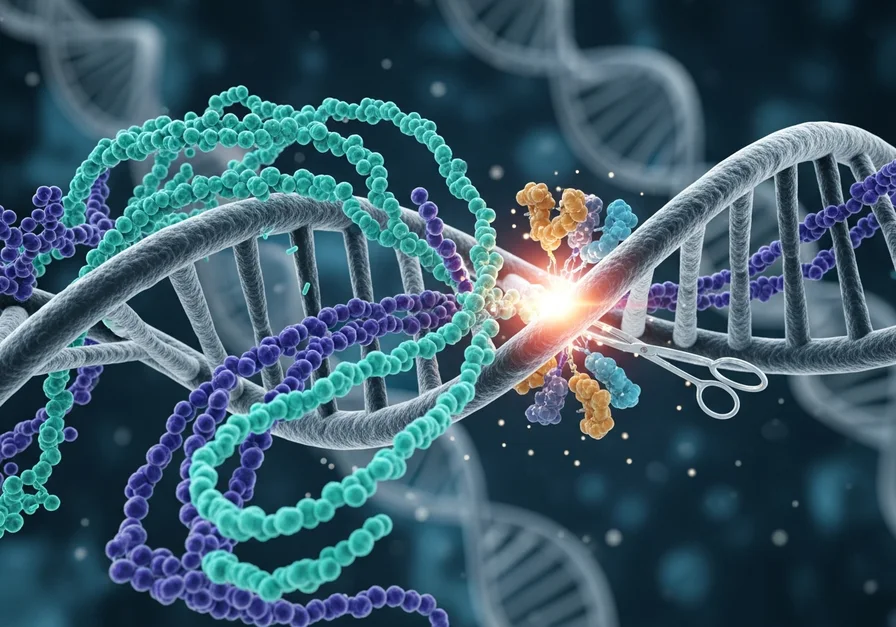
Epigenomic Disease Modeling
CRISPR-based and AAV-delivered epigenomic tools to validate targets in human cell and animal models — bridging computational predictions to wet-lab proof-of-concept.
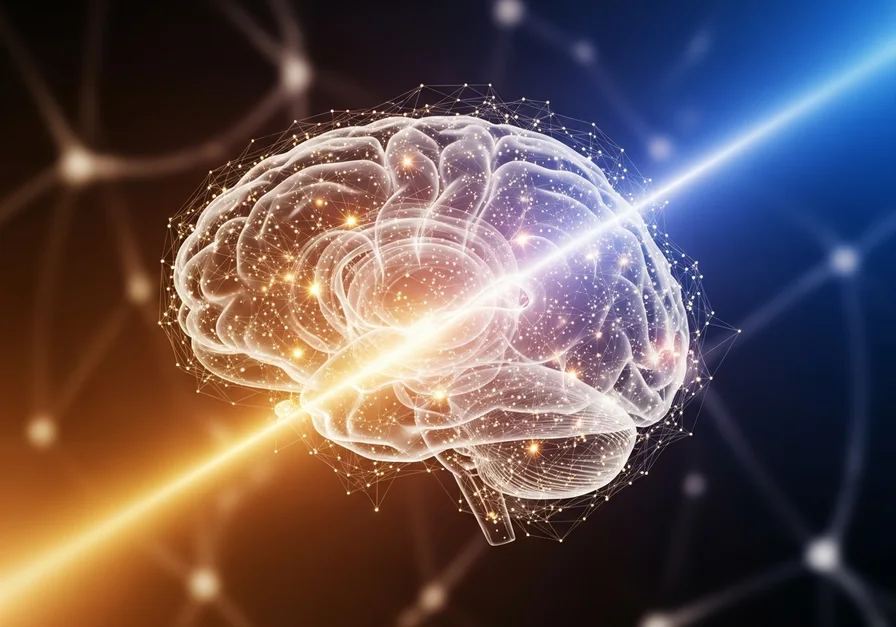
Neuro-Inspired AI Algorithms
Biologically grounded machine learning frameworks — including plasticity-modulated optimizers, memory architectures, and sparse attention — for robust AI system development.
Who We Work With
Industry Partners
We collaborate with industry to co-develop disease models, validate drug targets, and accelerate the path from discovery to clinic — regardless of therapeutic area. Our computational and multi-omics platforms are broadly applicable across neurological, oncological, and other complex disease settings.
- Access to multi-omics datasets via formal data-sharing agreements
- IP and licensing pathways through Harvard's Office of Technology Development
- Sponsored research with customized project scopes
- Early exposure to novel biomarker and target candidates
Venture & Investment
Our lab has a strong track record of developing investable technologies at the intersection of AI and biomedicine. We work with forward-thinking investors to identify high-potential discoveries and de-risk the journey to commercial translation.
- Exposure to emerging research directions and platform technologies
- Connection to founding team and spin-out opportunities
- Spin-off pathways facilitated through Harvard's OTD
- Strategic advisory on neuroscience and AI deal flow

Philanthropic Investment
Many neurological diseases remain largely untreatable. Your philanthropic investment directly funds the scientists, equipment, and patient data initiatives that make breakthrough discoveries possible — with full transparency on impact.
- Named fellowships and endowed research funds
- Annual impact reports and personal lab updates
- Recognition at Harvard Medical School events
- Lasting legacy tied to life-changing research
How We Collaborate
Sponsored Research Agreement
Fund a defined research project with agreed milestones, IP terms, and publication rights. Ideal for companies seeking targeted answers on a specific platform or target class.
Data & Computational Services
Leverage our bioinformatics pipelines on your proprietary datasets. We provide analysis, interpretation, and validated computational deliverables under NDA.
Joint Non-Dilutive Funding
Co-apply for federal and foundation grants with Tian Lab as an academic research partner — a powerful way for industry teams to extend R&D budgets and de-risk early-stage programs.
Licensing & Tech Transfer
Access novel algorithms, biomarker signatures, or experimental protocols through Harvard's Office of Technology Development. We can facilitate introductions and term negotiation.
What We Bring to the Table
Neuronal Foundation Model & AI
We build proprietary foundation models for neurobiology — pretrained on large-scale multi-omics and imaging data — alongside neuro-inspired algorithms including plasticity-modulated optimizers, memory architectures, and sparse attention. These are deployable assets for industry partners building the next generation of biomedical AI.
Clinical Data Access
Our BIDMC affiliation provides unique access to longitudinal patient cohorts, biobank specimens, and real-world clinical phenotypes critical for biomarker validation across disease areas.
Translational Track Record
Multiple ongoing collaborations with leading academic medical centers and a pipeline of target candidates with strong mechanistic rationale and in vivo validation across neurological and other disease contexts.
Harvard Ecosystem
Connection to a world-leading network of scientists, clinicians, and bioentrepreneurs across Harvard, MIT, and the Longwood Medical Area — accelerating every stage from discovery to commercialization.
Ready to Explore a Partnership?
Whether you represent a biotech company, a health-AI startup, an investment fund, or a family foundation — we'd welcome a conversation about how we can create meaningful impact together.
ftian@bidmc.harvard.eduDr. Feng Tian · Tian Lab · Beth Israel Deaconess Medical Center · Harvard Medical School