Alzheimer's Disease Research
Investigating the pathological mechanisms of Aβ and tau protein aggregation, synaptic dysfunction, and cognitive decline in Alzheimer's disease
Updated on April 1, 2024
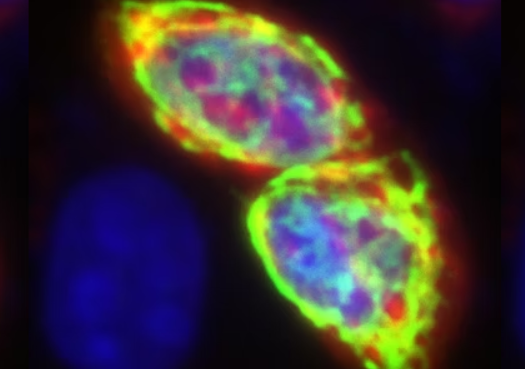
Research Overview
Alzheimer's disease is the most common form of dementia, characterized by progressive cognitive decline and memory loss. Our research investigates the complex molecular mechanisms underlying neuronal death, including Aβ plaque formation, tau protein aggregation, and synaptic dysfunction.
Using advanced genetic tools, computational modeling, and neuroimaging techniques, we aim to understand how these pathological processes interact and develop targeted therapeutic interventions to prevent or slow disease progression.
Research Approaches
Protein Aggregation
Studying Aβ and tau protein misfolding and aggregation mechanisms
Synaptic Function
Investigating synaptic dysfunction and neurotransmitter system alterations
Therapeutic Development
Developing novel therapies targeting multiple pathological pathways
Key Research Areas
Amyloid Pathology
Understanding Aβ plaque formation and its role in neurodegeneration
Tau Tangles
Investigating tau protein hyperphosphorylation and neurofibrillary tangle formation
Cognitive Decline
Studying the relationship between brain pathology and cognitive symptoms
Current Research Projects
Epigenomic Programs in Alzheimer's Disease
Investigating how epigenetic modifications regulate gene expression patterns in Alzheimer's disease and identifying potential targets for therapeutic intervention.
Computational biology approach
Machine Learning for Drug Discovery
Utilizing artificial intelligence and machine learning algorithms to identify novel therapeutic compounds that target multiple pathological pathways in Alzheimer's disease.
Collaborative computational project
Synaptic Protection Strategies
Developing therapeutic approaches to protect synapses from Alzheimer's-related damage and preserve cognitive function in early-stage disease.
Translational research initiative