Research Vision

Our lab integrates computational modeling and machine learning with experimental neuroscience to address fundamental problems in neural degeneration and regeneration. We develop advanced computational frameworks, including representation learning for single cell transcriptomics, probabilistic graphical models for gene regulatory network inference, and foundation models of cellular state and perturbation response, to decode high dimensional molecular landscapes of stressed neurons and enable predictive, testable analyses of neuronal fate decisions.
A central biological focus of our research is neuronal selective vulnerability, the question of why specific neuronal subtypes succumb to disease while neighboring cells remain resilient. This phenomenon, observed in disorders such as ALS, glaucoma, and Alzheimer's disease, reflects profound gaps in our understanding of how epigenomic and transcriptional programs constrain neuronal fate under stress. We combine computational inference with targeted experimentation to identify the regulatory programs governing survival versus death and regeneration versus degeneration.
Our long term goal is therapeutic translation through computationally guided cellular reprogramming. By learning the regulatory architectures that distinguish resilient from vulnerable neuronal states, we systematically identify master regulatory nodes and intervention strategies capable of shifting susceptible neurons toward stress resistant phenotypes. This tightly coupled computational and experimental framework provides a principled path from disease associated molecular signatures to mechanism informed therapeutic strategies for neurodegenerative disease.
Our Research Areas
Neurodegenerative Diseases · Brain Aging · Neuro-Inspired AI Algorithms
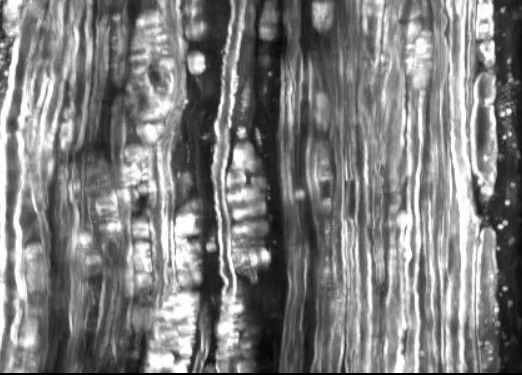
Amyotrophic Lateral Sclerosis
We study motor neuron degeneration using computational frameworks — representation learning, probabilistic inference, and foundation models — to decode molecular vulnerability patterns and identify intervention strategies for ALS.
Learn more →
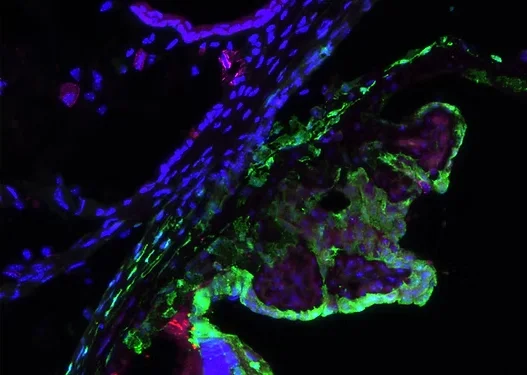
Glaucoma
We model retinal ganglion cell vulnerability using machine learning and multi-omics data from glaucoma mouse models, identifying cell-intrinsic and neuroimmune programs that shape degeneration and guiding neuroprotective strategies.
Learn more →
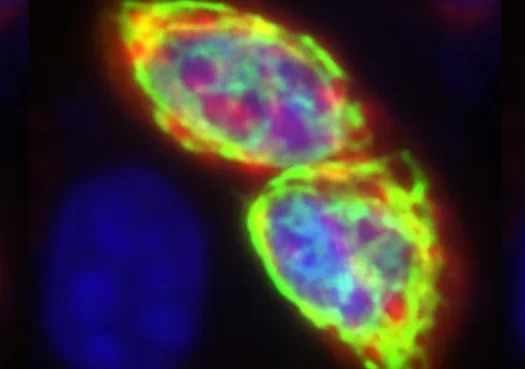
Alzheimer's Disease
We dissect how pathological aging diverges from normal aging by integrating computational analysis of neuroinflammatory and intrinsic neuronal stress responses, distinguishing adaptive from maladaptive programs to inform therapeutic targets.
Learn more →
Brain-Inspired AI & Computational Intelligence
From neural plasticity to next-generation AI — distilling principles of biological intelligence into machine learning algorithms, optimizers, and biomedical foundation models.
Tian Lab studies the human nervous system not only as a target of disease, but also as a source of principles for next-generation AI. We develop neuro-inspired methods that translate plasticity, memory, adaptive learning, reasoning loops, and robust computation into machine learning algorithms and AI systems.
Our recent projects include NeuroPlastic Optimizer, HippoCortex, CorticalLoop, Dynamic Composable Sparse Attention, NV-Rep, and RefractoryRT, spanning biologically inspired optimization, agent memory, neuro-inspired reasoning, efficient attention, biomedical representation learning, and neural runtime systems.